

RF Detection vs Remote ID: Understanding the Difference in Drone Detection Technologies
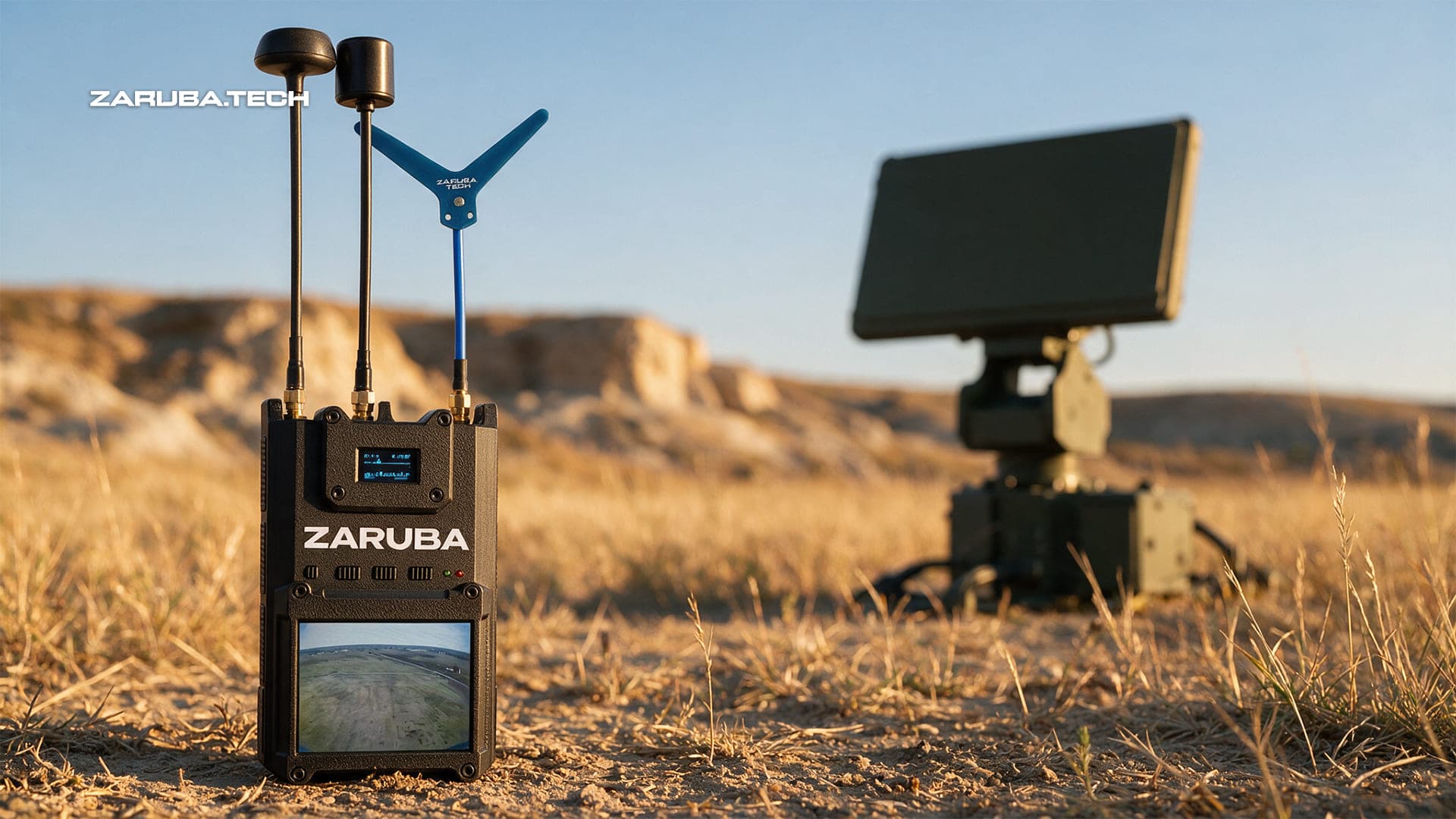
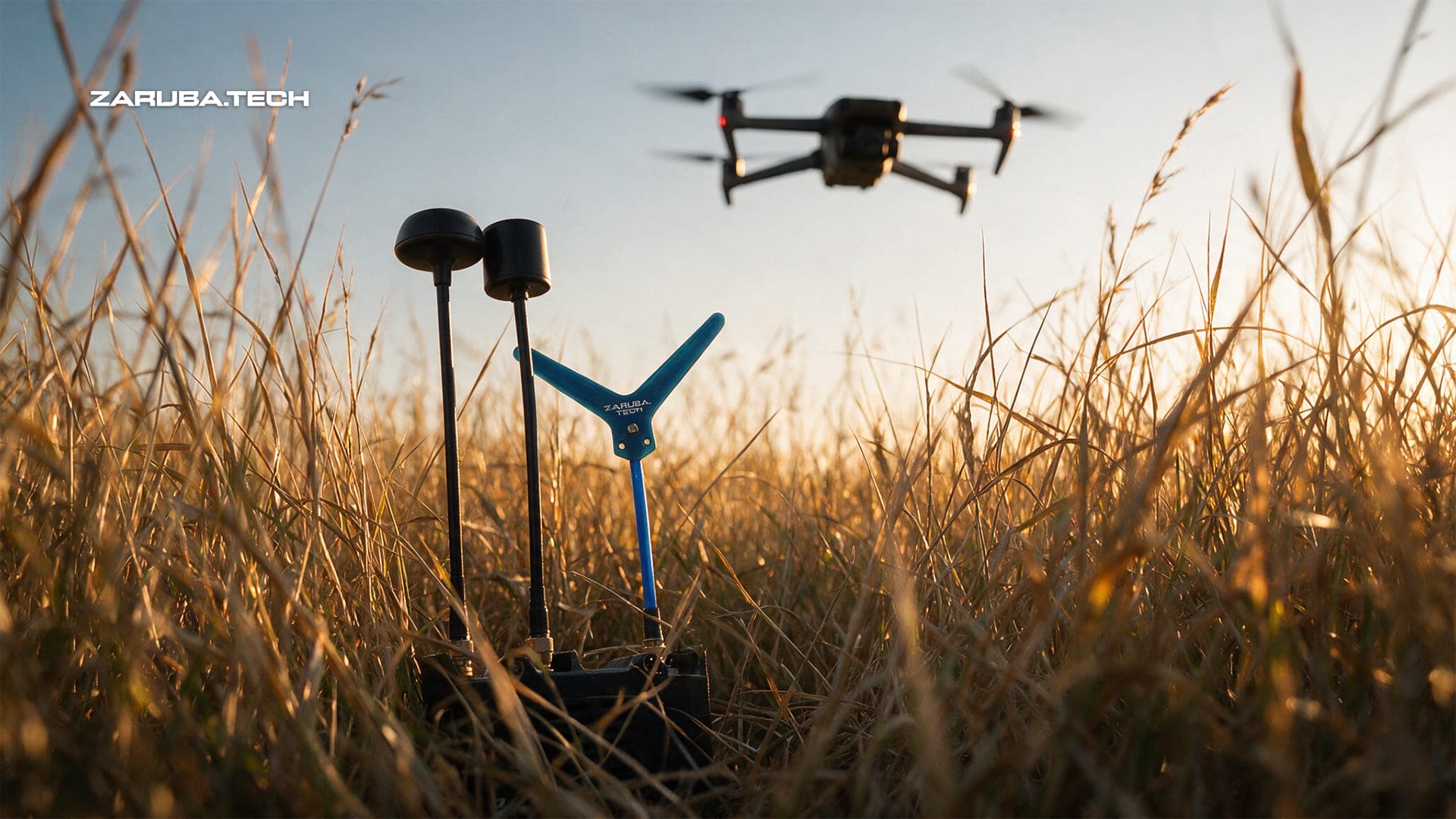
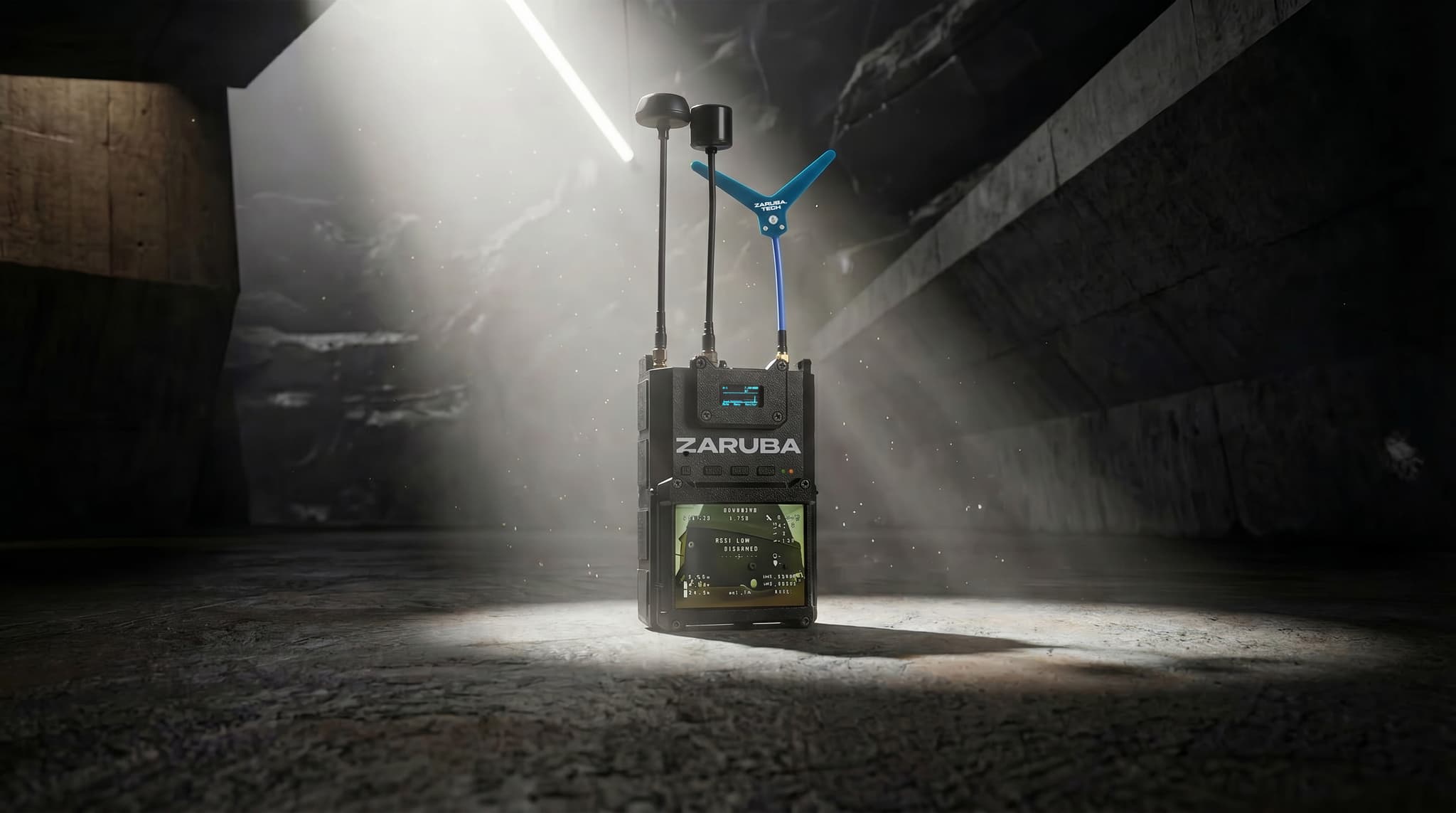
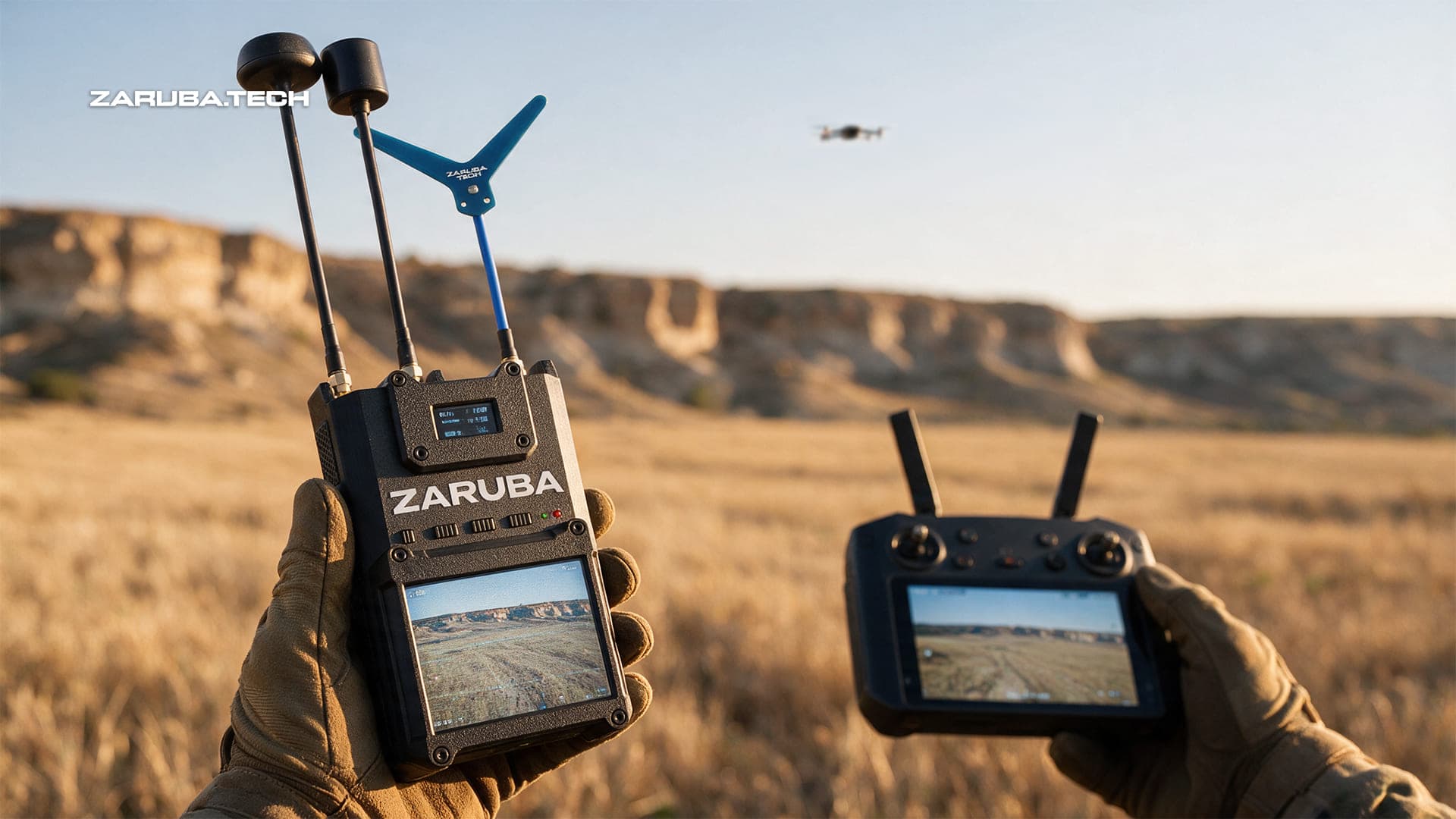
As drone use expands across commercial, recreational, and industrial environments, organizations need reliable ways to identify and monitor unmanned aircraft activity. Airports, critical infrastructure operators, government facilities, and security teams increasingly rely on layered drone detection approaches that combine different technologies to improve situational awareness. Two commonly discussed technologies are Remote ID and RF detection. Although both can help identify drone activity, they operate in fundamentally different ways. Remote ID is a cooperative identification technology: it depends on the drone broadcasting information about itself. In contrast, RF detection analyzes radio frequency activity and signals in the surrounding environment, allowing security teams to detect communication links even when a drone does not actively provide identification data. Understanding the difference between RF detection vs Remote ID is essential when selecting the right technology for a specific security application.